
020 8720 6427
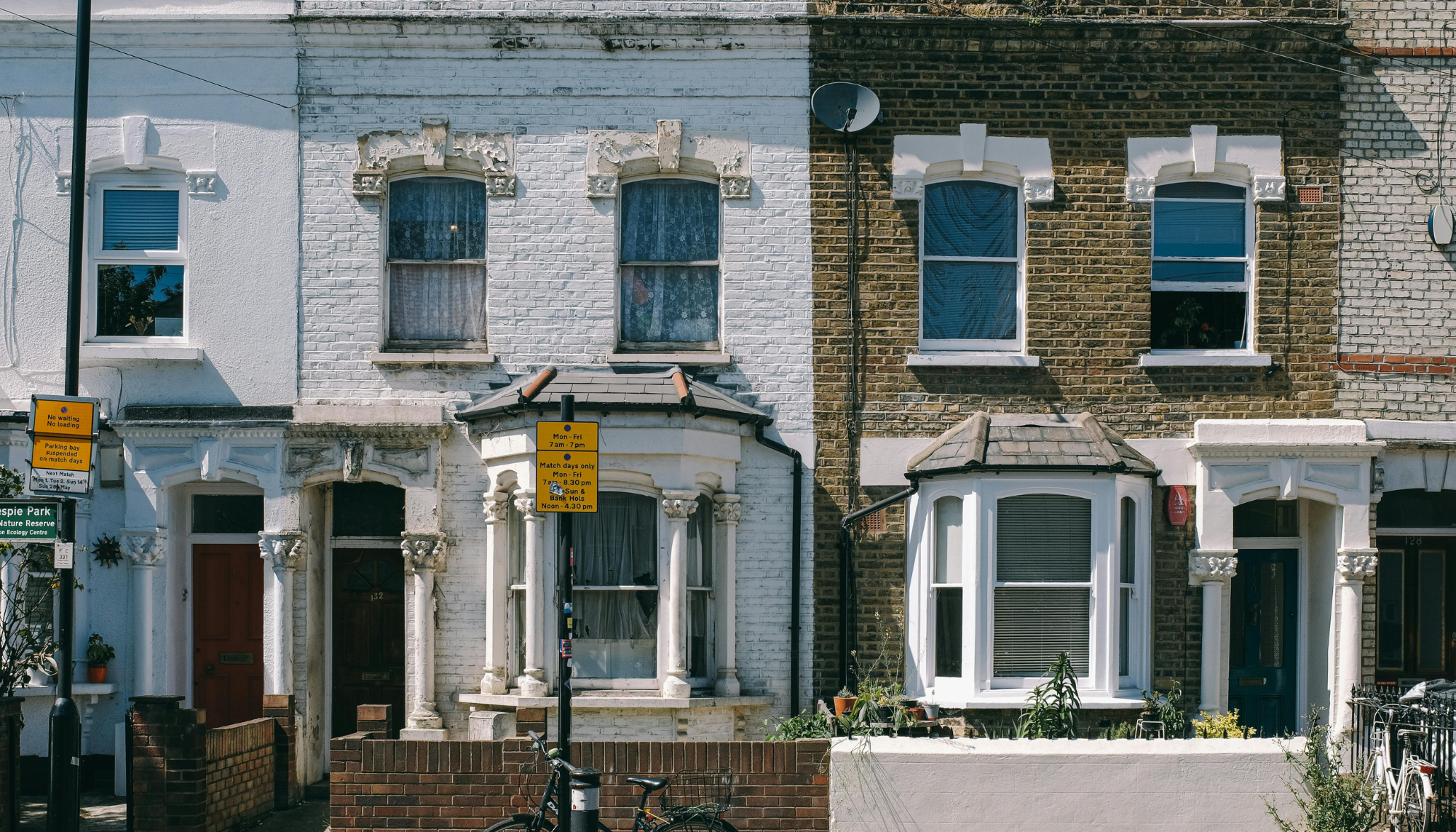
Leaving a property empty in London may seem harmless at first, but in reality, vacant homes can quietly drain your finances. Whether you’re waiting to sell, renovating, or holding an investment, it’s important to understand the true cost of keeping a property unoccupied. From rising Council Tax to the opportunity cost of lost income, the numbers add up fast.
This issue is accelerating: as of 2024, the number of empty homes in London hit a record high of over 93,600, with more than 38,000 classified as long-term vacant (unfurnished for over six months). For London boroughs, a property is generally classified as vacant when it is unoccupied and substantially unfurnished for a set period. This triggers a specific set of financial obligations and risks.
We’ll break down the direct and Indirect costs of holding an empty property to help property owners make informed decisions about their empty homes.
Do you think your empty house means no council tax? Think again. You’ll initially pay the standard rate, but this increases over time. Here’s the catch:
While limited exemptions exist for properties undergoing major structural repairs or those vacant during probate, these reliefs are strictly time-limited and require extensive proof.
Many insurance policies include a clause stating that if a property remains unoccupied for 30-60 days, the coverage becomes void. This can make it more difficult to secure insurance for a vacant property, and it often limits the number of insurers willing to offer coverage.
Even when you do find a company willing to insure an empty property, there are usually strict conditions attached. Common requirements often include:
In addition, premiums are typically higher, and your choice of insurers will be more limited. It’s also important to understand the potential legal risks. For example, if a fire starts and spreads, you could face not only financial liability for damages but also potential criminal negligence charges.
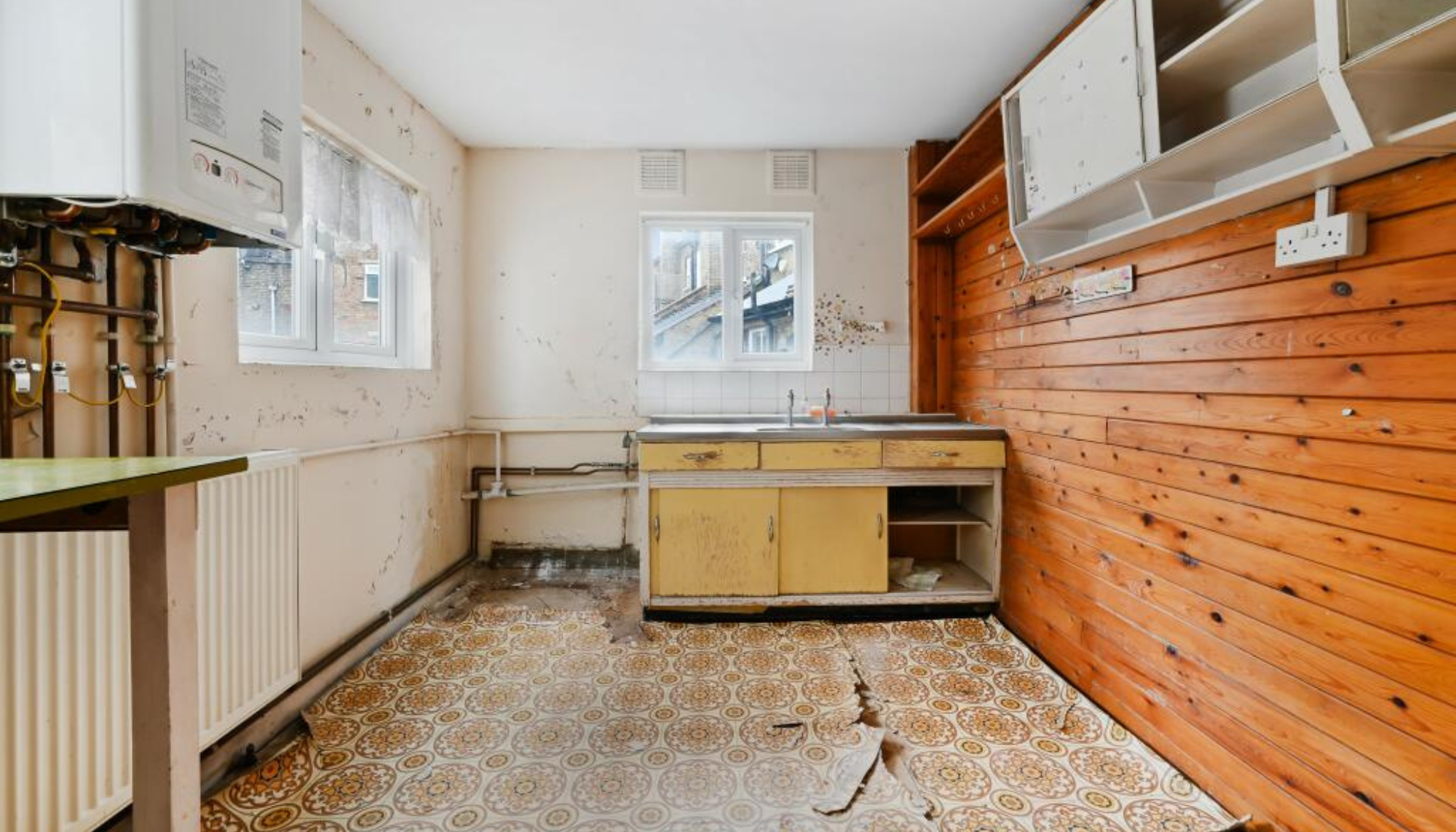
An empty property doesn’t stop ageing; it simply accelerates its decline. You incur costs not for use, but for preventing deterioration and decay.
Empty London properties are big targets for vandalism & criminal damage. Broken windows, stolen copper pipes, and a lot of graffiti are common and will always result in a huge insurance excess fee before you can start repairs.
While squatting in residential buildings has been a crime in England and Wales since 2012, removing squatters takes time. Legal action, like an Interim Possession Order or Claim for Possession, can cost around £5,000 in legal fees, plus clean-up and repair costs. If an owner ignores the property for years, there’s even a risk of someone claiming ownership through adverse possession.

The hardest cost to measure, but possibly the most important, is the Opportunity Cost. This is the money you could have made if the property hadn’t been sitting empty.
Now that you have a clear picture of all the potential expenses involved in holding a vacant investment property, you can calculate your total monthly financial drain. When you combine the council tax, insurance premiums, maintenance fees, and, most critically, the massive opportunity cost of lost rent, you’ll arrive at the true and often shocking cost of keeping your property unoccupied
Unlock the value of your asset without taking on the financial risk. We cover all planning costs and offer flexible agreement options—from clear-cut purchase to joint ventures—designed around your specific goals.
Hartley Residential builds quality homes with a focus on design, comfort, and lasting value.


Quick Links
SPEAK TO US
ACTIVE HOURS
Monday – Friday 8:00 am to 5:00 pm
© Hartley Residential 2025. All rights reserved!