
020 8720 6427
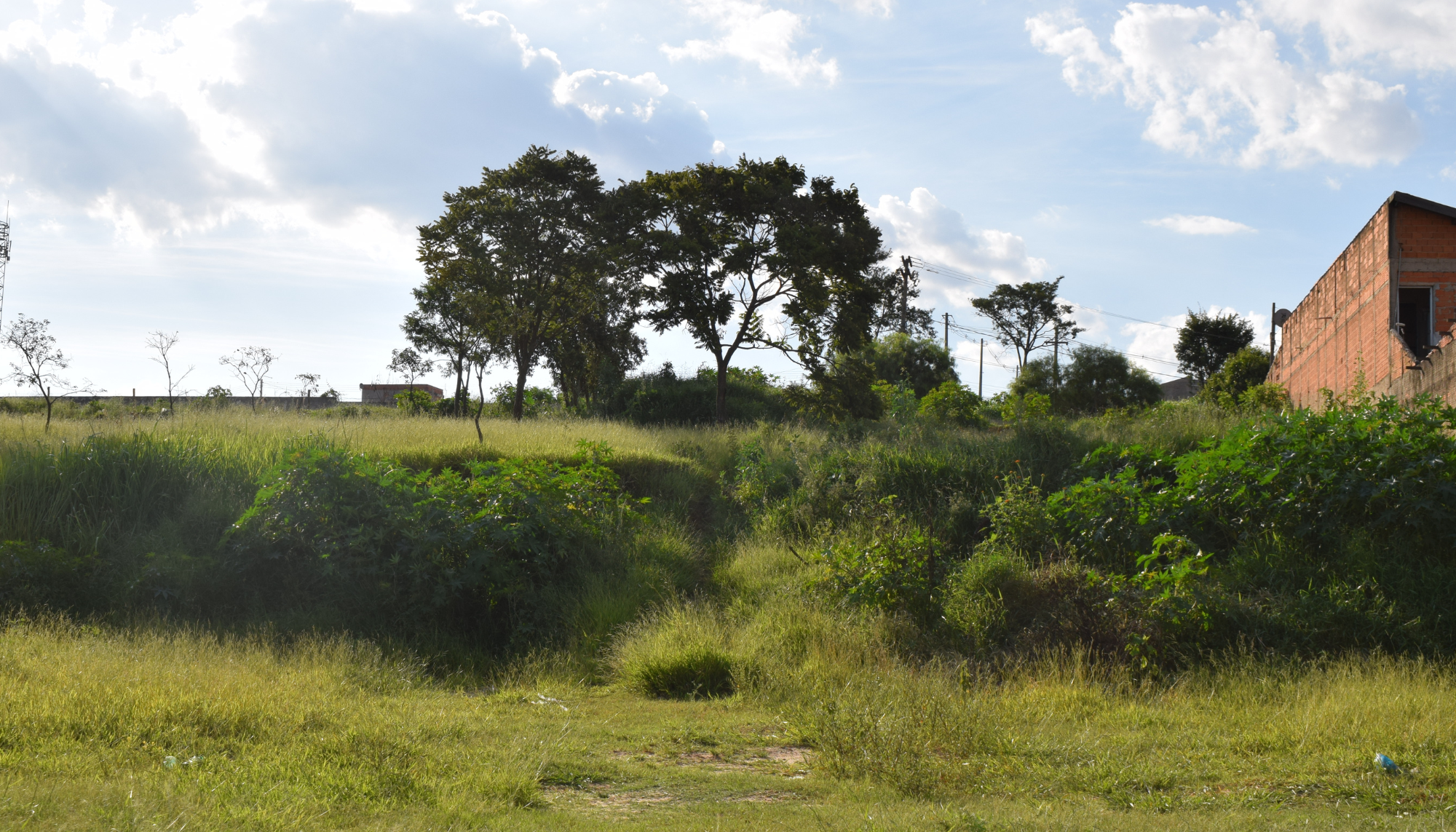
South London is growing rapidly. Regeneration projects, new transport links, and housing demand continue to reshape the area, creating strong opportunities for landowners.
If you own a plot of land, whether it’s a large garden, unused corner site, or old car park, you could be sitting on valuable development potential. The key is understanding how to move from raw land to a viable, approved development.
This guide walks you through the essential steps to unlock the full potential of your land in South London.
South London has become one of the most dynamic areas for new development, with many neighbourhoods undergoing exciting regeneration. Improved transport connections and strong housing demand are driving growth across the region.
The area offers a mix of underused sites, expanding communities, and attractive locations near train stations and local high streets. Well-planned developments that respond to local needs are finding strong support, meaning landowners are well placed to take advantage of this continued growth.
Beyond its development potential, South London’s character and diversity make it a desirable place to live and invest. With vibrant local centres and improving infrastructure, it continues to attract both residents and businesses. For landowners, this combination of lifestyle appeal and economic opportunity makes the region especially promising for future projects.
Before making any plans, take time to understand what your land offers and any factors that could affect development.
Start by identifying any physical or environmental constraints. Use official maps to check whether your land lies within a green belt, flood zone, conservation area, or includes protected trees. These designations can influence what can be built, but they don’t necessarily rule development out.
Carrying out this quick desktop review early on can save you significant time, money, and frustration as you move forward with your plans.
All development projects must follow both national and local planning policies. National policies establish the overall framework, focusing on issues such as housing supply, sustainable development, and environmental protection. Local councils then apply these principles to guide development in their specific areas.
Each borough has its own rules on matters such as design, density, parking, and sustainability. Understanding these early helps you identify what types of proposals are more likely to be supported. Reviewing them before making plans can save time and increase your chances of securing planning approval.

Once you know what might be allowed, it’s time to get technical.
Surveys and feasibility studies help you understand the ground beneath your feet literally. These may include a topographic survey, tree and ecology assessments, contamination reports, or a flood risk assessment if required.
These reports are not just for show. Planners, lenders, developers, and builders rely on them to assess risks and costs. For example, if your site is near the river or in a flood zone, you may need a drainage strategy. If there are mature trees, a tree survey will guide what can stay or be removed.
Investing in these checks early gives you a clear picture of what’s practical and what might be too costly to pursue.
A project’s financial viability is just as important as its planning feasibility.
In South London, most new developments are subject to the Community Infrastructure Levy (CIL) and, in some cases, Section 106 contributions. These help fund local infrastructure and affordable housing.
Your architect, engineer, or planning consultant can work with a quantity surveyor to estimate costs, fees, and potential returns. Understanding these early helps you make informed decisions before committing significant resources.
There’s more than one way to bring a site forward. Depending on your objectives and resources, you can choose from several approaches:
Property development involves many moving parts. Working with experienced professionals can save you time, money, and stress.
Consider hiring a planning consultant to guide you through the process and handle planning submissions. An architect can help design a scheme that looks great and meets regulations. A quantity surveyor can ensure your budget is realistic from day one, or a property developer can also be a valuable partner, especially if you prefer not to manage the project yourself.
Developers often have established teams, financing strategies, and local market knowledge. They can either purchase the site outright or enter into a joint venture with you, reducing your risk and workload while ensuring the land reaches its full potential.
Where possible, work with people who have experience in your specific borough. They’ll know local planning officers, common hurdles, and how to address them effectively.

Even well-intentioned projects can run into trouble. Some common mistakes include:
Avoiding these pitfalls and getting the right professional advice from the start can help keep your development on track and protect your investment.
Unlocking the development potential of your land in South London starts with clear research, expert guidance, and realistic planning.
By understanding your site, commissioning the right surveys, and seeking early advice from architects and planning consultants, you can transform unused or underutilised land into a valuable, sustainable development.
With careful planning and the right professional support, even a small plot can become a long-term asset that adds value both to you and to the local community.
Unlock the value of your asset without taking on the financial risk. We cover all planning costs and offer flexible agreement options—from clear-cut purchase to joint ventures—designed around your specific goals.
Hartley Residential builds quality homes with a focus on design, comfort, and lasting value.


Quick Links
SPEAK TO US
ACTIVE HOURS
Monday – Friday 8:00 am to 5:00 pm
© Hartley Residential 2025. All rights reserved!